Like the book didn't have much to say to me, I find I have little to praise it for.
The characters are painted by broad strokes, never quite alive. They talk in half-finished sentences and platitudes, sometimes throwing in metaphors so out of place and sudden that you have to go back a ways. Rereading, you understand they weren't telling a separate story but illustrating a point through it. Ctrl + C, Ctrl + V — there you have your merry bunch.
Hurt my head to read. To go with that, I kept feeling I don't get these people. They'd done things, had a talk, made plans, explained that, too, — and I was still puzzled: what they're about, what makes them wired that way. I felt robbed. And fooled. Almost every character a cliché, talking like they don't care to get their meaning across.
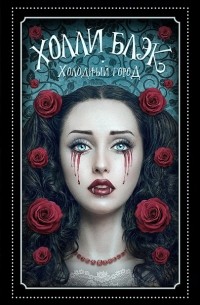
I dug the prose at times. Inclusions of colorful words, phrasing that left an impression. Still, it was another flawed item in my reading "The Coldest Girl in Coldtown".
For starters, the repetitive writing. I've lost count how many times Tana had "shuddered" (Not to worry, a search in my ebook made it nice and easy: 24 occurrences of "shudder-" in total, the closest pair a shuddering four pages away from each other). And then another character began showing the same signs! It seems the book picked the wrong infection to talk about.
Adding to that was an abundance of hyphenated adjectives. Now, them I couldn't count just as easily, but every other page was loaded. Must everything scream "bad writing" here? Was it so hard to replace some of these monsters with synonyms of one word? Or paraphrase so that the adjectives weren't needed.
I move on to the bigger grievance: the overexplaining. While some scenes begged to be clearer and weren't, others ended with a phrase providing "final clarity". Rendered unnecessary: the bit hadn't left room to guess, it had been eloquent enough so that you couldn't not understand.
Check this one. Holly put it so beautifully and ruined all by adding just one word:
She was holding a wooden bowl. A bowl filled so full of red liquid that setting it down caused some to spatter over the floorboards, sinking into the grooves of the wood. The scent of it was iron and basements and losing baby teeth so her big-girl teeth could come in. It was skinned knees and Gavriel’s mouth on hers. It was smeared walls and staring eyes.
Tana scrambled to her feet.
Blood.
Ugh. I could just curl up and cry. Would've been tons more effective without that last shriek of despair.
Down the list of complaints: the novel is heavily laced with usage of social media, which doesn't do it any favors either. When a work tries to bring me deep into the modern world and its attributes, I only get emotionally distant from it. I'd had my fresh share of it recently watching "Scream 4", which bugged me for this very reason.
The spectacle near the end had me drop a star. Oldest trick in the book: "I'll make the audience worry for a child's safety". I hate the fucking kids. Ain't a main character in a young-adult novel without a younger sibling. What is it in authors' heads that makes them think, "ooh, gotta include some annoying little shit running around and creating shallow plot lines"?
Being with this book is exhausting. Talking about it wore me down, too. I think back on it, an array of characters hardly worth remembering. Tana's okay, Aidan is a needy asshole, childish behind a grown-up facade. Midnight and Winter — I couldn't stop rolling my eyes at the pair, everything about them dull and trite, stupid vampire groupies with a death wish. Valentina was the one that moved me. A tender heart, fearless and loving; and it's her amazing story, who she is and why she's there, that I keep getting back to. She would've carried the plot by herself, no hassle at all.


 3 понравилось


